
Build your profile as a trusted expert
- Built for medical practices
- Compliance-first approach
- Clear monthly reporting
The Medical Marketers
How medical PR grows your practice
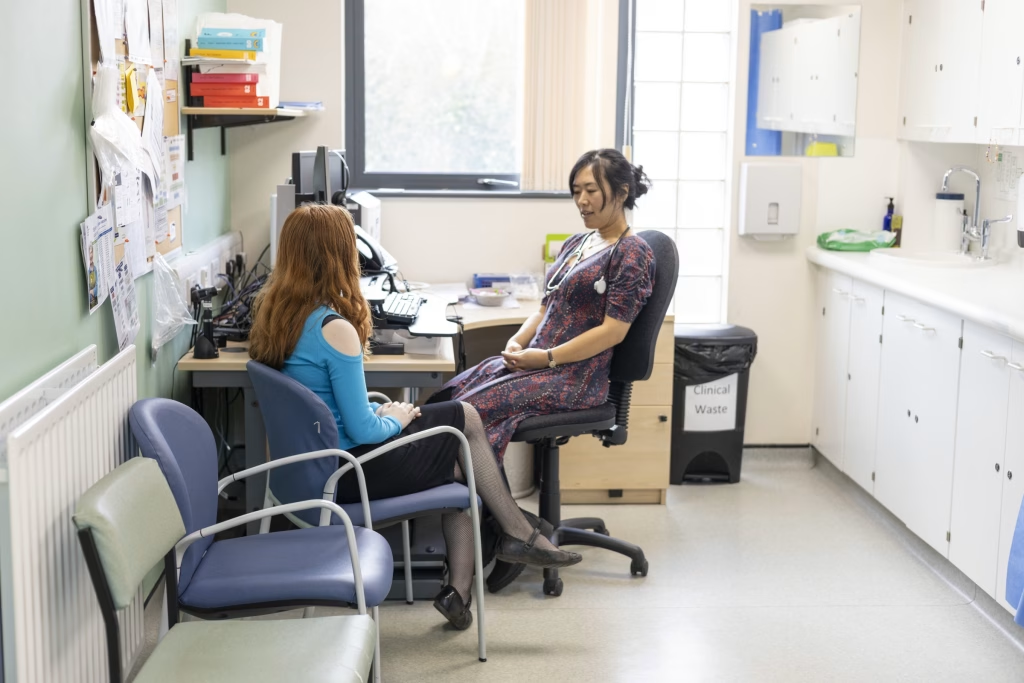
Expert commentary builds trust and authority
Media coverage that stays within the rules
Who it is for
When medical PR is worth it
Media coverage builds credibility in a way advertising can’t. It is worth considering if:
- Your practitioners have expertise the public and referrers would benefit from hearing about.
- You offer a new service, technology or program that is genuinely newsworthy.
- You want to be seen as the go-to voice in your area or specialty.
- You are building your profile with referrers and the community, not just selling.
PR is slow and cannot be guaranteed, so it works best alongside search and local marketing, not instead of them.
what you get
What is included in our medical PR service?
Media positioning
We identify the topics where your practitioners can add genuine value and prepare clear expert profiles for media use. Journalists look for credible people who can speak clearly on a subject, and a clear profile makes it easier to put your practitioners forward.
This includes:
- Discussing each practitioner’s areas of expertise and interest
- Choosing topics that suit your practice and the media
- Writing short expert bios and profiles
- Preparing approved photos and background notes
- Agreeing which topics each practitioner is comfortable covering
Your practitioners are then ready when a relevant media opportunity comes up.
Media releases
We write and distribute releases for genuine news, such as new services, research, community initiatives and practice milestones. Focusing on real news keeps your practice credible with journalists and avoids releases that read like advertising. We also advise when an idea is better suited to an article or announcement.
This includes:
- Identifying news worth sharing
- Writing releases in a factual, newsworthy style
- Checking content against the advertising rules
- Distributing releases to relevant health and local media
- Handling media questions that follow
Coverage is never guaranteed, but every release is prepared to give journalists what they need.
Expert commentary
We connect practitioners with journalists looking for expert comment and help prepare key messages before interviews. Good preparation helps your practitioners stay on message, speak confidently and avoid statements that could breach the advertising rules. We also help you decide which requests are worth taking on, so practitioners spend time on opportunities that suit them.
This includes:
- Watching for journalist requests that match your expertise
- Putting suitable practitioners forward for comment
- Preparing key messages and likely questions
- Briefing practitioners before each interview
- Reviewing published pieces for accuracy afterwards
Your practitioners go into each interview knowing what they want to say.
Articles and announcements
We write bylined articles for health and community publications and announcements for referrer audiences. Articles share your practitioners’ knowledge under their own names, while announcements keep referrers informed about what is happening at your practice. Both are written to inform rather than promote, in line with the advertising rules.
This includes:
- Agreeing topics and angles with each practitioner
- Drafting articles in the practitioner’s voice
- Pitching articles to suitable publications
- Writing referrer announcements about news and services
- Checking all content against the advertising rules
Each practitioner approves their article before it is submitted for publication.
Why it works
What makes our medical PR so effective?
Newsworthy, not promotional
We pitch stories journalists want to run, not thinly disguised ads.
Careful with claims
Every piece is prepared with the advertising rules in mind.
Supports search too
Quality coverage and mentions help your search and AI visibility.
How it works
What the first 90 days look like
- 1Weeks 1 to 2
Find your stories
We interview your practitioners and identify topics, news and angles that journalists would care about.
- 2Weeks 3 to 4
Prepare
We write expert profiles, key messages and the first releases or articles, checked against the advertising rules.
- 3Weeks 5 to 8
Pitch and place
We approach journalists and publications, respond to requests for comment and prepare practitioners for interviews.
- 4Weeks 9 to 12
Review and build
We review coverage, build on what worked and plan the next quarter’s stories.
PR builds slowly, so after the first quarter we keep a steady cycle of stories, articles and relationships.
Reporting
What you will see every month
- Pitches and responses. Who we approached, what we offered and what came back.
- Coverage. Media mentions, with links, and where each one appeared.
- Search and referral effects. Changes in branded searches and referrer interest after coverage.
- What is next. Story ideas and opportunities for the coming month.
Coverage can’t be promised, so we report effort and outcomes honestly.
How we measure it
The numbers we track and report every month
Mentions
Branded searches
Pitch response
Compliance
When PR becomes advertising
Coverage you control, pay for or republish can count as advertising. We don’t:
- Pitch or publish content that promotes your services as if it were news.
- Use patient stories, testimonials or outcome claims in releases or articles.
- Republish coverage that contains testimonials or outcome claims on your website or social channels.
- Name or promote prescription-only treatments in releases or bylines.
We review coverage before you share it, because even a flattering article can create problems once it is on your own channels.
FAQ
FAQs about medical PR
It can. Genuine news coverage written by journalists is generally not advertising, but content you control and publish to promote your services is. Republishing coverage, paid placements and promotional articles need the same care as any advertising. We help you tell the difference.
The distinction matters because the advertising rules apply to material that promotes a regulated health service. When a journalist independently decides to interview your practitioner about a health issue, the editorial decisions are theirs. When you pay for a placement, supply a promotional article or share coverage on your own channels to attract patients, you’re using it as advertising, and the National Law rules on testimonials, misleading claims and unreasonable expectations of benefit apply.
In practice, we review pitches, interview preparation and any sponsored content before it goes out, and check coverage before it’s reposted on your website or social media. Where the line isn’t clear, we explain the risk in plain terms. We’re not lawyers, so for complex situations we suggest checking with a health lawyer or your indemnity insurer.
No one can guarantee coverage, because editors decide what runs. We focus on genuinely newsworthy angles and good relationships with journalists, which gives you the best chance of consistent coverage.
Even a strong story can miss out if a bigger news event breaks that day, or if a publication has recently covered something similar. That’s the nature of earned media: it’s credible precisely because the practice doesn’t control it. Anyone promising guaranteed placements is usually talking about paid content, which is advertising and needs to be treated that way.
What we can control is the quality of what we put forward. That means finding angles journalists will genuinely care about, matching each story to the right outlets and contacts, preparing your spokesperson so they’re ready when a request comes, and following up professionally. Over time, being a reliable, well-prepared source tends to lead to more opportunities. We’ll talk you through the realistic options for your practice and set expectations together early on.
A practice is usually newsworthy when it has something new, useful or timely to share: new services or technology, research, community programs, expert insight into health news and seasonal issues, and milestones. We help you find the stories in your practice that journalists will care about.
Journalists look for stories that matter to their audience. A practitioner who can comment on a seasonal problem, such as hay fever, sun damage or winter illness, or explain the practical side of a health story in the news, is often more useful to a newsroom than an announcement about the practice itself.
Many practices have more stories than they realise. A community health program, involvement in research, a new service that fills a local gap or a milestone anniversary can all become angles with the right framing. We start with a conversation with your team to uncover these, then shape each idea around what’s interesting to readers rather than what promotes the practice. Every angle is checked against the advertising rules before it’s pitched.
Usually, yes, but check it first. If an article includes patient stories or outcome claims, republishing it on your website or social media could turn it into a testimonial in your advertising. We review coverage before you share it.
The reason is that once you share coverage to promote your practice, it becomes part of your advertising, and the National Law rules apply to it. A journalist may quote a patient describing their results, or describe a treatment more enthusiastically than you could in your own material. That’s the journalist’s call in their publication, but repeating it on your channels can create a testimonial or an unreasonable expectation of benefit.
When we review an article, we check for patient stories, outcome claims, before-and-after images and comparisons with other providers. Often the simplest option is to share a short excerpt that covers only your practitioner’s general expert commentary. If a piece can’t be shared safely, we’ll explain why. For complex questions, we recommend checking with a health lawyer or your indemnity insurer.
A short interview to find the stories, then brief preparation before any media request. We handle the writing, pitching and follow-up, so the demands on your practitioners stay modest.
The initial interview helps us understand your practice, your practitioners’ areas of interest and the topics they’re comfortable speaking about. From there, we develop story ideas, draft releases or articles, and identify the journalists and outlets most likely to be interested. Practitioners review anything that goes out under their name, which matters both for accuracy and because they remain responsible for what’s said about their services.
When a journalist responds, we prepare a brief for the practitioner covering the outlet, the likely questions and the key messages, so the interview itself is efficient. Some requests, especially reactive commentary on health news, can come at short notice, so it helps to agree in advance who is available and how quickly they can respond. We’ll work around clinic schedules wherever we can.
It helps. We prepare practitioners with key messages and practice questions, and we can arrange more formal media training if you want it. A well-prepared spokesperson is more confident, easier to quote and less likely to say something they later regret.
Media interviews are different from talking with patients. Journalists often want short, clear answers, and they may ask questions that stray into areas a practitioner shouldn’t comment on, such as individual patients, competitors or promises about results. Preparation helps practitioners stay on message, explain health issues in plain language and decline questions politely when needed.
Before any interview, we work through the likely questions, agree the key points and talk about what to avoid, including outcome claims and anything that could identify a patient. For practices expecting regular media work, or practitioners who want to build confidence on camera or radio, more formal training may be worthwhile, and we can arrange it. We’ll discuss what suits your goals and the level of media interest you’re aiming for.
It is rare for expert commentary, but we plan for it. We prepare practitioners, check what they say and advise on how to respond, if at all, without discussing individual patients.
Negative coverage can come from a misquote, a story that takes an unexpected angle or a complaint that reaches the media. The first step is usually to pause and assess: what was actually said, how widely it has been seen and whether a response would help or simply draw more attention. Sometimes the best response is none at all.
Where a response is appropriate, we help you prepare a calm, factual statement. Patient confidentiality comes first, so practitioners should never discuss an individual’s care publicly, even if the patient has spoken to the media. If coverage involves a complaint, a legal issue or a regulatory matter, we recommend speaking with your indemnity insurer or a health lawyer before saying anything, since they can advise on obligations we can’t. We’ll also help you keep any comments on your own channels consistent with that position.
Timing varies. Reactive commentary can run within days, while releases and articles take weeks. We set expectations in the first month, once we’ve identified your strongest stories and started pitching.
Reactive commentary moves fastest because it responds to something already in the news. If a journalist needs an expert view on a health story and your practitioner is ready, a quote or interview can appear quickly. Planned stories, such as a new service, a community program or a health awareness day, usually need more lead time, since we’re working to the outlet’s schedule and pitching well ahead of the date.
Different outlets also run on different timelines. Online news and radio can move quickly, while magazines and some specialist publications plan their content well in advance. Because editors decide what runs, there’s no fixed timeframe we can promise. What we can do is keep you updated on what’s been pitched, what interest we’ve had and what’s coming up, so you know where things stand.
Avoid pitching promotional announcements. Journalists respond to practitioner commentary, community involvement, new services or technology and health awareness days, not stories that read like advertising for the practice.
A release that mainly says how good a practice is, promotes a special offer or announces a refurbishment without any wider interest rarely gets picked up, because it doesn’t give readers anything new. Stories built around patient testimonials or dramatic results are also off the table, since they create problems under the advertising rules if they’re published or shared.
The stories that tend to work have a broader angle. A new service matters if it fills a gap for local patients. A health awareness day is a chance for a practitioner to share useful, general information. Community involvement shows the practice’s role beyond the clinic. We help you reframe ideas that start out promotional into angles journalists are more likely to value, and we check every pitch against the AHPRA guidelines before it goes out.
With targeted, relevant story ideas and a spokesperson ready to talk. We don’t send the same release to every newsroom: each pitch is matched to the outlet, its audience and the journalist’s usual topics.
Before pitching, we research which publications, programs and journalists cover health, local news or your area of practice. We then shape the story for each one, whether that’s a short email outlining the angle, a media release with key facts or an offer of expert commentary on a topical issue. Timing matters too, so we pitch ahead of awareness days and seasonal topics, and quickly when there’s a relevant story in the news.
Having a spokesperson ready is just as important as the pitch itself. Journalists often work to tight deadlines, so we confirm availability and prepare your practitioner before we reach out. We follow up professionally without pestering, and we keep track of what’s been pitched so you can see the work behind the coverage. Every pitch is checked against the advertising rules first.
Coverage can earn links and mentions that support visibility, but we cannot guarantee a result. When a reputable publication mentions your practice or links to your website, it can help search engines see your practice as a credible source, alongside the other work that supports your search presence.
The effect depends on many things outside anyone’s control. Some outlets don’t link to the sources they quote, some links carry little weight for search, and visibility also depends on your website’s content, technical health, local competition and your Google Business Profile. PR is best thought of as one contributor to visibility rather than a replacement for SEO.
Where it fits, we encourage journalists to reference your practice accurately and, where appropriate, link to a relevant page on your site. If you’re also working with us or another provider on SEO, we can share coverage details so they can take it into account. We’ll be clear about what PR can and can’t do for search before you decide how much weight to give it.
Yes. We help you prepare and respond when journalists get in touch, so your practice can make the most of the opportunity without saying anything it may regret.
Media enquiries often come at short notice, by phone or email to reception. It helps to have a simple process in place: who takes the call, what details to collect, such as the outlet, deadline and topic, and who to pass it on to. We can help you set that up so staff know what to do and nobody feels pressured into answering on the spot.
Once an enquiry reaches us, we check what the journalist needs, help you decide whether to take part, prepare key messages and brief your practitioner before the interview. We also consider the advertising and privacy issues, particularly if the request touches on a patient’s care or a sensitive topic. If an enquiry involves a complaint or a legal matter, we recommend involving your indemnity insurer or a health lawyer before responding.