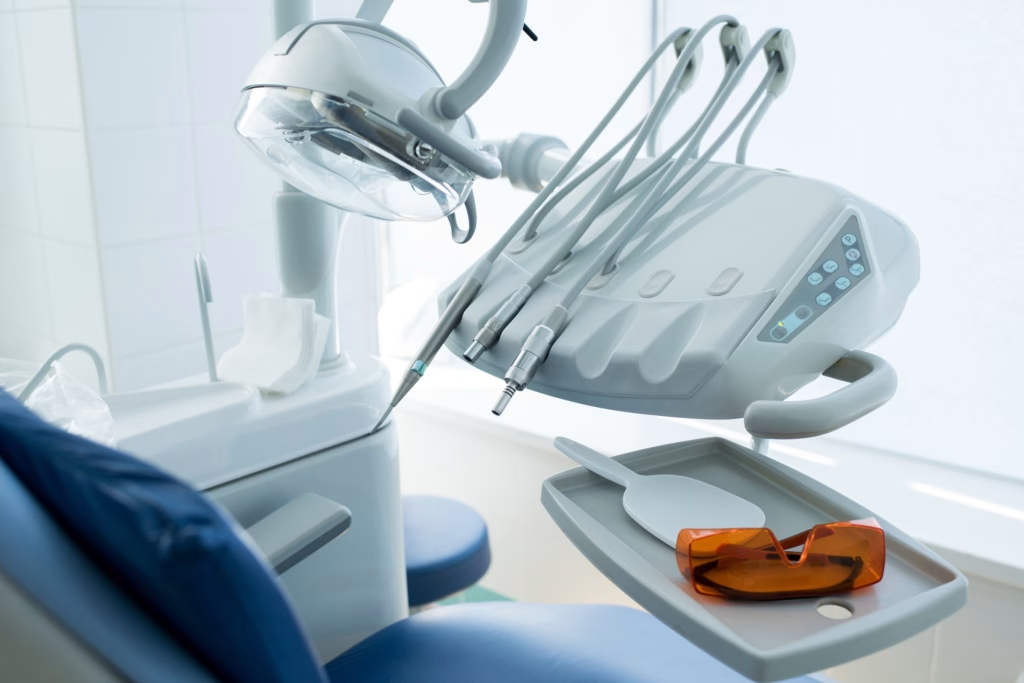
Why dental marketing is different
Dental is one of the most competitive local markets in healthcare. In most suburbs, patients can see several practices within a few minutes of home, and they often choose based on what they find online: availability, health fund information, reviews on Google and how confident the website makes them feel.
Good dental marketing balances everyday care with higher-value treatments like implants, orthodontics and cosmetic dentistry, and it does it compliantly. That means balanced information about risks and suitability, careful use of images and no testimonials, on every page and in every ad.
Run a specialist orthodontic practice? See orthodontic practice marketing for what changes when most of your patients are children, teens and their parents.
Patient journey
How patients choose a dentist
Dental patients choose quickly, and often compare a few practices in a few minutes.
- Step 01
A toothache, a check-up or a move
Most people need a dentist because of pain, a reminder or a new suburb.
Our partWe make sure you appear in local searches and on the map when that moment comes.
- Step 02
They search nearby
They search for a dentist near home or work, often on a phone, and look at the map first.
Our partWe keep your Google Business Profile complete, with accurate hours, photos and services.
- Step 03
They compare a few practices
In a few minutes they check hours, health funds, family care and whether the practice feels safe.
Our partWe put opening hours, health funds and real team photos where people look first.
- Step 04
They call or book online
Nervous patients want reassurance about cost and the first visit before they pick up the phone.
Our partWe add clear first-visit and payment information, plus online booking that works on mobile.
Nervous patients in particular look for reassurance before they call, so the website matters more than most practices expect.
What we bring
What we do for dental practices
Google Business Profile & Local SEO
Dental searches are won on the map.
Learn moreClinic Websites & Conversion Optimisation
Treatment pages and booking that calm nervous patients.
Learn moreGoogle Ads for Clinics
Reach people searching for urgent and high-value treatments.
Learn moreAHPRA-Compliant Content & Copywriting
Treatment pages that stay within the rules.
Learn morePriorities
Where we focus first for dental practices
- 01
Local visibility
Dental searches are local and competitive, so a strong Google profile and suburb pages are the base.
- 02
Treatment pages that explain, not sell
Clear pages for check-ups, hygiene, restorative and cosmetic dentistry that explain options, time and costs.
- 03
Reviews and reputation
A steady process for asking for reviews, with no incentives and no clinical detail.
- 04
The new-patient experience
Online booking, reminders and a first-visit page that calms nerves reduce no-shows.
We usually add paid search once the website converts well, since dental clicks can be expensive.
How we start
What the first 90 days look like
- 1Weeks 1 to 2
Audit
We review your Google profile, website, booking process and the practices competing for your catchment.
- 2Weeks 3 to 4
Fix the basics
We correct listings, improve site speed and mobile booking and fill gaps in key service pages.
- 3Weeks 5 to 8
Build visibility
We publish treatment and suburb pages and start a review process.
- 4Weeks 9 to 12
Review and extend
We review calls and bookings, then decide whether ads, recall or content comes next.
Dental marketing compounds, so after the first quarter we keep improving pages, listings and reviews.
Compliance
Staying compliant with AHPRA as a dental practice
The rules that apply
Before and after images, treatment claims and patient reviews all need careful handling. Our audit shows you exactly where your marketing stands.
- The National Law advertising rules
- Advertising can't be false or misleading, use testimonials, create unreasonable expectations of benefit, offer gifts or discounts without clear terms, or encourage unnecessary use of services.
- Specialist titles
- Only dentists with specialist registration can call themselves specialists or orthodontists, including in practice names, domains and ads.
- 2025 cosmetic procedure guidelines
- Cosmetic treatments such as veneers sit under extra rules on imagery, targeting under-18s and risk and recovery information.
- Offers and promotions
- Any discount or offer needs clear terms, and limited-time pressure on cosmetic treatments should be avoided.
- Product rules
- Whitening and other products you sell can fall under TGA and product rules, so check with your supplier.
Mistakes we often see on dental websites
These come up again and again. A compliance review before launching new pages saves rework later.
- 1
Inconsistent before-and-after smile photos
Different lighting, angles or editing between the two images make results look better than they are. Match the conditions and get consent.
- 2
Specialist wording used loosely
Only registered specialists can call themselves one, so phrases like specialist in implants need care.
- 3
Reviews with clinical detail
Patients describing their treatment results shouldn’t be reproduced on the practice’s own channels.
- 4
Offers with pressure
Limited-time offers on cosmetic treatments are restricted, and any promotion needs clear terms.
How we help
Most practices start with an audit to find and fix what is already published, then keep new content right with compliant writing and team training.
Compliance audit
We review your website, ads, profiles and social channels, then give you a prioritised list of fixes with replacement wording.
Learn moreAHPRA-compliant content
New pages, posts and ads written within the advertising rules from the first draft.
Learn moreCompliance training
Practical sessions so your team can check their own posts, ads and replies to reviews.
Learn moreTGA advertising compliance
Checks for treatments, medicines, devices and products that fall under the TGA advertising rules.
Learn moreFAQ
FAQs about dental marketing
Yes, as long as the advertising is accurate, includes balanced information about risks and suitability, and doesn’t create unrealistic expectations. Before and after images need consistent conditions and no editing, and testimonials can’t be used. We write treatment pages that inform patients properly and still convert.
By being the most helpful and most visible option nearby. That means a fully optimised Google Business Profile, treatment pages that answer the questions patients actually ask, ads targeted to your catchment and a website that makes booking easy. Most practices only do one or two of these well.
Yes. We work with single-chair practices through to multi-location groups. For groups we set up location-level profiles and tracking, so each practice is visible in its own suburb and you can see which locations and treatments are growing.
Yes. People search for specific things, such as a check-up, a crown or a child’s first visit, and each page can explain the options, what to expect and how to book.
You can state accurate information about payment options and rebates if it is clear and not misleading. We avoid implying a rebate or price applies when it doesn’t, and avoid time-limited pressure.
By being the practice patients can picture visiting: real photos, a clear team page, accurate local details and strong reviews. Independent practices often win on trust.
Yes. Cosmetic procedures sit under tighter rules, and where named practitioners are advertised their registration details should be shown. We write cosmetic pages around consultations and options, not results.