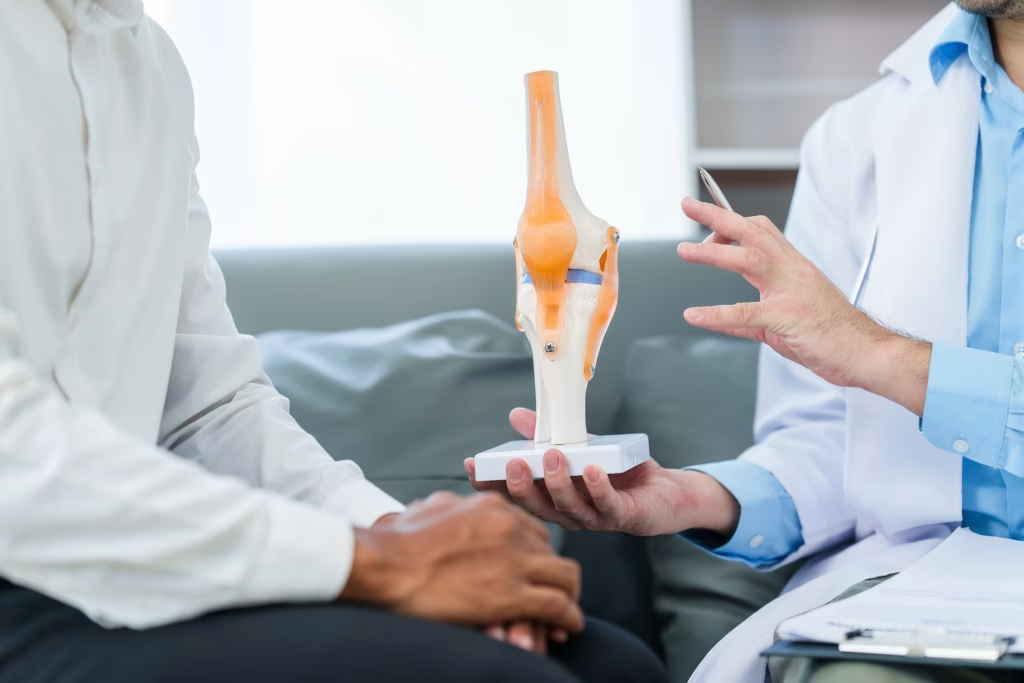
Why orthopaedic marketing is different
Most orthopaedic patients arrive with a referral, but they rarely arrive without research. Before their first appointment, patients read about their condition and the procedures they might need, and GPs and physiotherapists often look at a surgeon’s profile before deciding where to refer.
We help orthopaedic practices own that research phase. Detailed, balanced information about conditions, procedures, risks and recovery builds trust with patients and referrers alike, while strong referrer communication keeps GPs and physios sending the right patients your way.
Patient journey
How patients choose an orthopaedic surgeon
Most orthopaedic patients arrive with a referral, but few arrive without research.
- Step 01
A GP or physio refers them
Most patients arrive with a referral from their GP or physiotherapist.
Our partWe make it easy for referrers to see your areas of focus and how to refer.
- Step 02
They research the procedure
Patients read about their condition and the procedure before the first appointment.
Our partWe write accurate condition and procedure pages that set realistic expectations.
- Step 03
They check the surgeon
Qualifications, focus areas and which hospitals you operate at all matter.
Our partWe build a profile with accurate credentials and hospital information.
- Step 04
They plan around surgery
Wait times, costs and what happens before and after surgery shape their decision.
Our partWe add practical guides for before and after surgery, which also help your rooms.
A well-informed patient is easier to look after, and clear information helps referrers trust you too.
What we bring
What we do for orthopaedic surgeons
GP Referral Marketing
Build trust with GPs and physiotherapists.
Learn moreClinic Websites & Conversion Optimisation
Clear condition and procedure information.
Learn moreGoogle Business Profile & Local SEO
Patients searching nearby.
Learn moreAHPRA-Compliant Content & Copywriting
Balanced, compliant procedure pages.
Learn morePriorities
Where we focus first for orthopaedic surgeons
- 01
Surgeon profiles
Accurate qualifications, areas of focus and hospital affiliations, with correct use of titles.
- 02
Condition and procedure information
Balanced pages on conditions, non-surgical options, procedures, risks and recovery.
- 03
Referrer relationships
Clear referral information and regular contact with GPs and physiotherapists.
- 04
Practical information
Locations, hospitals, wait times, how to refer and what to bring.
Surgeons usually benefit from marketing that supports referrers first and patients second.
How we start
What the first 90 days look like
- 1Weeks 1 to 2
Audit
We review your website, profiles, referral sources and how your practice appears to patients and GPs.
- 2Weeks 3 to 4
Fix and clarify
We correct titles and listings and make referral information easy to find.
- 3Weeks 5 to 8
Build
We publish condition and procedure pages and start regular referrer communication.
- 4Weeks 9 to 12
Review and extend
We review enquiries and referrals and plan the next phase.
After the first quarter we keep referrers updated and content current.
Compliance
Advertising rules for orthopaedic surgeons
The rules that apply
Outcome claims, testimonials and how procedures and recovery are described all need care. Every page should set realistic expectations and explain risks clearly.
- The National Law advertising rules
- Advertising can't be false or misleading, use testimonials, create unreasonable expectations of benefit, offer gifts or discounts without clear terms, or encourage unnecessary use of services.
- Surgeon and specialist titles
- The title surgeon is restricted for medical practitioners and depends on specialist registration.
- Procedure and recovery information
- Explain risks, recovery and alternatives clearly, and avoid success rates that can't be supported.
- Device advertising
- Naming implants or devices can bring in the TGA's advertising rules for medical devices.
- Privacy and consent
- X-rays, imaging and patient photos need consent and appropriate context.
Mistakes we often see on orthopaedic websites
These carry real risk. Careful, factual content is also what GPs and patients trust most.
- 1
Overstating results
Claims of success rates or outcomes that can’t be supported.
- 2
Incorrect titles
The title surgeon is protected, and specialisations should be described accurately.
- 3
Images without care
X-rays and procedure images need consent and appropriate context.
- 4
Reviews and stories
Comments about results shouldn’t be republished.
How we help
Most practices start with an audit to find and fix what is already published, then keep new content right with compliant writing and team training.
Compliance audit
We review your website, ads, profiles and social channels, then give you a prioritised list of fixes with replacement wording.
Learn moreAHPRA-compliant content
New pages, posts and ads written within the advertising rules from the first draft.
Learn moreCompliance training
Practical sessions so your team can check their own posts, ads and replies to reviews.
Learn moreTGA advertising compliance
Checks for treatments, medicines, devices and products that fall under the TGA advertising rules.
Learn moreFAQ
FAQs about orthopaedic surgeon marketing
Yes, within the rules. Most patients need a referral for a Medicare rebate, but they still research before and after they’re referred. Direct marketing works best when it educates and explains how to get referred, rather than promoting surgery.
Physiotherapists see many of the patients who may eventually need surgery. Clear information about your areas of interest, easy referral processes and timely communication back to the referring physio all help.
What the procedure involves, who it may suit, the alternatives, the risks and complications, recovery timelines and costs. Balanced, thorough information is what both the guidelines and patients expect.
By describing the conditions and procedures you concentrate on, with accurate qualifications and training, without implying that you are better than others.
Only if they are accurate, current, based on sound data and presented with context. Most surgeons are better served by explaining the process, risks and recovery.
By giving them clear information on the conditions you see, when to refer, what the pathway looks like and how to contact the practice, and by keeping in touch with short updates.
Yes. Well-organised condition and procedure pages help patients prepare, reduce anxiety and support referrers.